
Calluses & Corns: Causes, Treatment & Relief Options
Foot discomfort can make even simple activities like walking a challenge. Two of the most common culprits are calluses and corns. While they’re often confused, they’re not the same thing and understanding the difference is key to finding the right treatment.
At Perfect Fit Pedorthics, an Australian medical grade footwear provider, we help clients manage calluses and corns with supportive shoes, custom orthotics, and expert advice, so you can step comfortably again.
What Are Calluses?
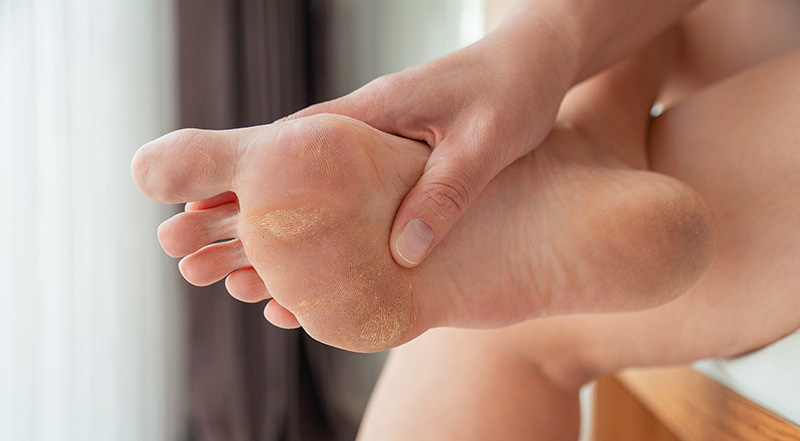
Calluses are thickened, hard patches of skin that usually form on the bottom of the feet, particularly under the heel or ball of the foot. They’re caused by friction, pressure, or repeated stress, and while they may not always be painful, they can make walking uncomfortable if left untreated.
Common causes include:
- Wearing shoes that don’t fit properly
- High-impact activities that put repeated stress on the feet
- Foot deformities that affect weight distribution
- Lack of cushioning in footwear
What Are Corns?
Corns are similar to calluses but are usually smaller, more concentrated, and often painful. They often form on the tops or sides of toes due to pressure from tight shoes or toe deformities such as bunions or hammer toes. Corns can feel like walking with a small pebble in your shoe.
Common causes include:
- Shoes that squeeze the toes
- Abnormal gait or toe deformities
- Repeated rubbing or pressure in one spot
Accommodative Treatment for Calluses & Corns
Goal
To relieve pressure, reduce friction, and manage pain so you can walk comfortably.
Methods
- Medical grade footwear: Shoes with wider toe boxes, soft uppers, and proper cushioning reduce rubbing and pressure points.
- Custom orthotics: Designed to redistribute weight and reduce stress on problem areas.
- Protective pads or sleeves: Help cushion corns and calluses, preventing irritation.
- Moisturising and skin care: Regular use of emollient creams can soften hardened skin.
- Podiatric care: A podiatrist may trim thickened skin for immediate relief.
Outcome
Accommodative care doesn’t remove the underlying cause but improves comfort, reduces pain, and helps prevent corns and calluses from worsening.
Correctional Treatment for Calluses & Corns
Goal
To address the root cause of excess pressure and friction.
Methods
- Footwear modifications: Permanent adjustments to shoes to eliminate problem areas.
- Surgical options (in severe cases): For example, correcting bunions or hammer toes that are causing chronic corns.
Outcome
Correctional care restores better foot mechanics and helps prevent recurring issues.
How Perfect Fit Pedorthics Helps
At Perfect Fit Pedorthics, we specialise in helping Australians manage painful calluses and corns through expert footwear and orthotic solutions. From our Melbourne based clinic, we provide:
- Medical grade footwear with extra depth, width, and cushioning to reduce friction.
- Custom orthotics for calluses and corns in Melbourne – redistributing pressure away from problem areas.
- Footwear modifications to adapt existing shoes for comfort.
- Advice on prevention – including proper footwear choices and self-care tips.
By reducing pressure and improving support, we help clients walk more comfortably and prevent corns and calluses from returning.
Final Thoughts
Calluses and corns may seem like minor issues, but left untreated, they can lead to persistent pain and reduced mobility. With the right combination of medical grade footwear, orthotics, and professional care, most people experience significant relief.
If you’re looking for callus or corn treatment in Melbourne or anywhere in Australia, Perfect Fit Pedorthics can help. With decades of expertise in medical grade footwear and orthotics, we provide tailored solutions to keep you moving comfortably.
Contact us today to book an appointment and find lasting relief from calluses and corns.
—
Disclaimer: The information provided in this article is for informational purposes only and should not be considered as medical advice. Please consult with a healthcare professional or podiatrist for personalised recommendations and treatment options for your specific foot-related concerns.