
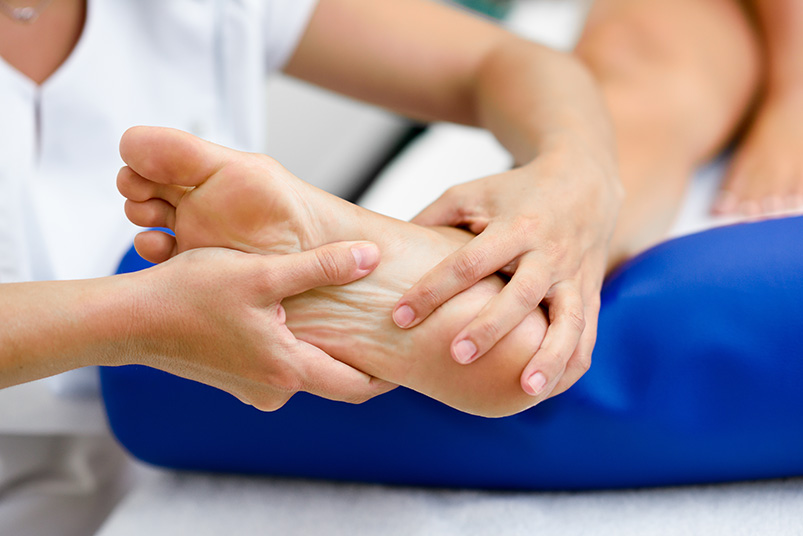
Heel Spur Treatment: Finding Relief with Footwear & Orthotics
Heel pain can make every step a struggle, and one of the common causes is heel spurs. A heel spur is a bony growth that forms on the underside of the heel bone. While not always painful on its own, heel spurs often develop alongside plantar fasciitis, leading to sharp heel pain and discomfort when walking or standing.
Fortunately, there are effective treatment options. With the right medical grade footwear, custom orthotics, and conservative care, heel pain caused by heel spurs can often be managed without surgery.
What Causes Heel Spurs?
Heel spurs form when calcium deposits build up on the heel bone, usually as a result of long-term strain. Contributing factors include:
- Repeated stress on the foot from running, standing, or walking on hard surfaces
- Plantar fasciitis (chronic inflammation of the plantar fascia)
- Flat feet or high arches that affect weight distribution
- Poorly fitted or unsupportive shoes
- Excess body weight adding pressure to the heel
Symptoms of Heel Spurs
Not all heel spurs cause pain, but when they do, symptoms may include:
- Sharp, stabbing pain in the heel when standing after rest (morning heel pain)
- Pain that improves slightly with movement but worsens after prolonged activity
- Inflammation and tenderness at the bottom of the heel
- Difficulty walking or standing for long periods
Accommodative Treatment for Heel Spurs
Goal
To reduce pain, cushion the heel, and correct underlying biomechanical issues.
Methods
- Medical grade footwear: Supportive shoes with shock-absorbing soles reduce impact on the heel.
- Custom orthotics for heel spurs: Designed to redistribute pressure and support the arch, easing strain on the heel.
- Heel cups or pads: Provide extra cushioning and protection.
- Stretching and strengthening exercises: Focused on the calf and plantar fascia to relieve tension.
- Anti-inflammatory care: Ice therapy and pain relief medication can reduce inflammation.
Outcome
Most people experience significant pain relief and improved mobility with these non-surgical methods.
Correctional Treatment for Heel Spurs
Goal
To resolve persistent heel spur pain when conservative care doesn’t work.
Methods
- Corticosteroid injections: Provide temporary pain relief by reducing inflammation.
- Shockwave therapy or PRP injections: Stimulate healing of soft tissues around the heel.
- Surgery (rare): In severe cases, surgery may be used to remove the heel spur and release the plantar fascia.
Outcome
These treatments are usually only considered if conservative approaches fail, as many people respond well to non-surgical care.
How Perfect Fit Pedorthics Helps with Heel Spur Pain
At Perfect Fit Pedorthics, an Australian medical grade footwear provider, helping clients manage heel pain from heel spurs is a core part of their service. From our Melbourne based clinic, we offer:
- Medical grade footwear for heel pain – shoes designed with cushioning, stability, and proper arch support.
- Custom orthotics for heel spurs in Melbourne – tailored inserts that reduce pressure on the heel and improve gait.
- Footwear modifications – adjusting existing shoes to provide added support or relief.
- Professional guidance – helping clients choose the right combination of footwear, orthotics, and lifestyle strategies to reduce pain.
By combining expertise with tailored solutions, Perfect Fit Pedorthics supports Australians in stepping out of pain and back into comfort.
—
Disclaimer: The information provided in this article is for informational purposes only and should not be considered as medical advice. Please consult with a healthcare professional or podiatrist for personalised recommendations and treatment options for your specific foot-related concerns.